
Pokhara Travel Guide
How to get to Pokhara, what to see, where to stay and the best itineraries — written by a family-run car & tour service that has driven visitors around the Annapurna region since 2008.
Why Pokhara
Nepal’s lake and adventure capital
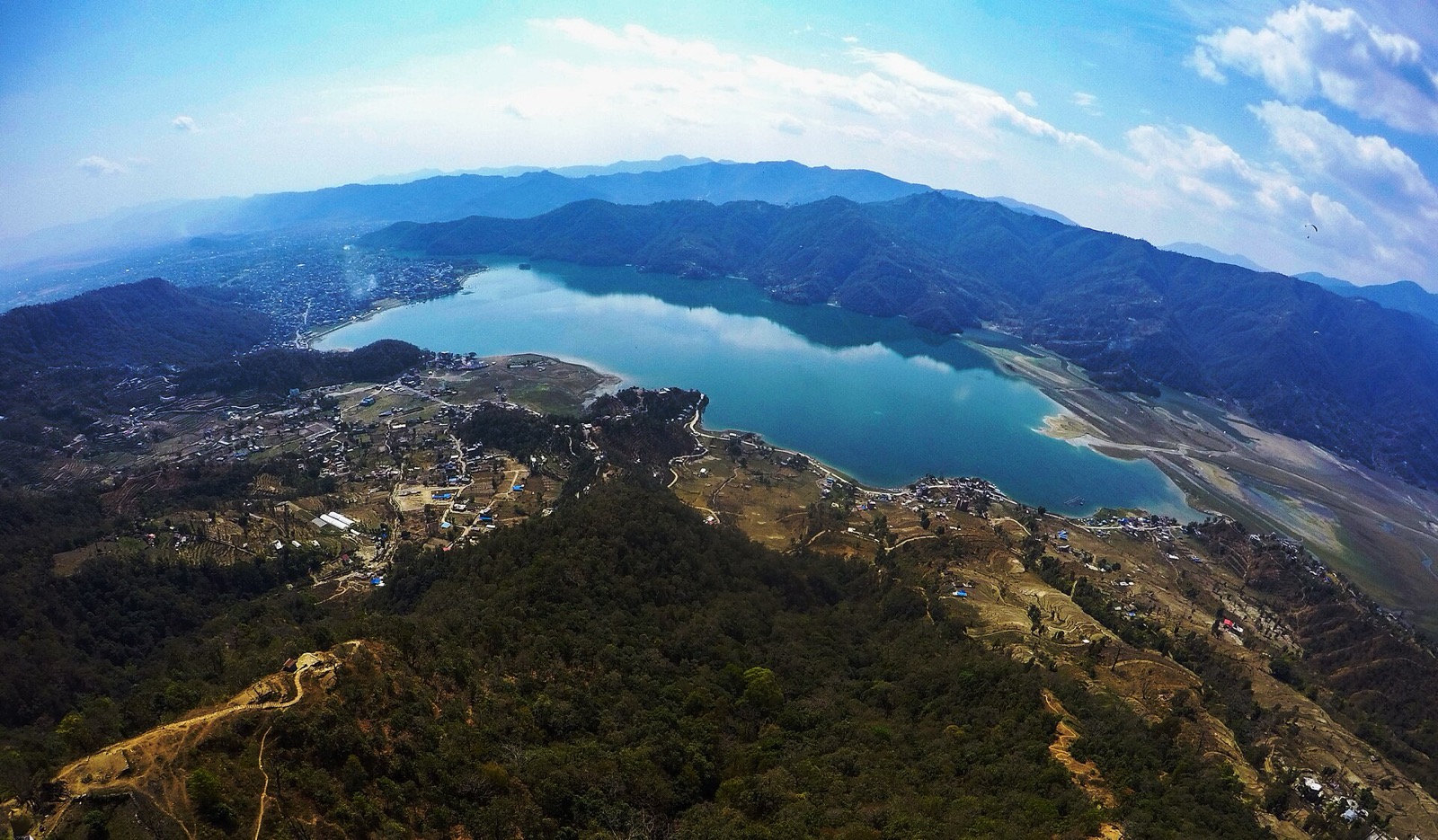
Pokhara is the second city of Nepal and the country’s most relaxed base for mountains, lakes and adventure. Set at a mild 820 metres beside the mirror-calm Phewa Lake, it looks straight up at the Annapurna range and the unmistakable fishtail peak of Machhapuchhre. It is the gateway to some of the world’s finest trekking, a launchpad for paragliding and boating, and a gentle place to slow down between bigger journeys.
Whether you have two days or two weeks, this guide pulls together everything you need to plan a great trip — how to reach Pokhara from anywhere in Nepal or across the border in India, the sights worth your time, ready-made itineraries, the best season to come, and honest local tips. When you are ready to make it real, we can handle the driving with a comfortable private vehicle and a local driver.
Pokhara at a glance
- Elevation: ~820 m (mild, year-round)
- Famous for: Phewa Lake, Sarangkot sunrise, Annapurna views
- Gateway to: Annapurna Base Camp, Poon Hill, Muktinath
- Best base: Lakeside, on the lakeshore
- Best seasons: autumn (Oct–Nov) & spring (Mar–May)
- From Kathmandu: 6–7 h by car or 25 min by air
Getting here
How to get to Pokhara
Pokhara is well connected by road and air. Pick your starting point below for a detailed guide with distances, drive times, transport options and honest tips — or message us and we will meet you and drive you straight in.
From Kathmandu
Car, tourist bus or 25-minute flight — ~200 km.
Read the guideFrom Chitwan / Sauraha
From the jungle to the lakes — ~150 km, 5–6 hours.
Read the guideFrom Lumbini / Bhairahawa
Up the scenic Siddhartha Highway via Palpa.
Read the guideFrom Sunauli India border
Crossing from Gorakhpur? Border tips + the drive up.
Read the guideFrom Kakarbhitta / East
The long haul across the Terai — road or flight.
Read the guideFrom Nepalgunj / Far-West
Reaching Pokhara from Bardia and the Karnali region.
Read the guideFrom From India
Delhi, UP & Bihar — borders, flights and visas.
Read the guideSee & do
Top attractions in Pokhara
The classic sights are spread around the valley, so a little planning — viewpoints early, the lake in the calm afternoon — goes a long way. Here are the ones not to miss.
Sarangkot sunrise
Watch dawn light the Annapurna range and Machhapuchhre from a ridge above the city.
More about thisPhewa Lake & Tal Barahi
Row across the calm lake to the island temple — the heart of Pokhara.
More about thisWorld Peace Pagoda
A gleaming white stupa with the finest panorama over lake, town and peaks.
More about thisDavis Falls & Gupteshwor
A dramatic waterfall that vanishes underground, opposite a sacred cave.
More about thisParagliding
Tandem-fly from Sarangkot over the lake — one of the world’s great flying sites.
More about thisMountain Museum
The story of Himalayan climbing and mountain cultures — great on a hazy afternoon.
More about thisFor the full list and a local’s ordering of the day, see our guides to the top things to do in Pokhara and a full day of city sightseeing.
Plan the days
Suggested itineraries
How long should you stay? Here is what you can comfortably fit into two, three or five days. Each is a flexible framework — tell us your dates and we will tailor it to your group.
Beyond the city
Day trips & tours
When you have seen the city, the region opens up. All of these are easy with a private car and driver — you leave when you like and skip the wait for shared jeeps.
Popular day trips
- Bandipur — a preserved Newari hill town with big Himalayan views
- Begnas Lake — a quiet, green alternative to Phewa
- Australian Camp & Dhampus — a gentle taste of trekking
- More day trips near Pokhara
Getting around
A car and driver, on your schedule
In Nepal, most visitors do not self-drive — the roads are winding and busy, and mountain routes need real local knowledge. The standard, far more relaxing option is to hire a car with a driver. You travel on your own schedule, keep your luggage with you, and leave the switchbacks to someone who knows them. For families, groups and older travellers it is the obvious choice, and split across a group it is often excellent value.
We are a small, family-run service based in Lakeside. We offer cars and sedans for city tours and transfers, SUVs and Scorpio jeeps for rough mountain roads, and Toyota Hiace vans for larger groups. Every trip comes with an experienced local driver who speaks English and Hindi, and our pricing is a clear, all-in quote agreed before you travel — no meter, no haggling.
When to come
Best time to visit Pokhara
Pokhara is a year-round destination, but the experience changes with the seasons. Here is the honest picture, season by season.
Autumn (Oct–Nov)
Clear, dry and comfortable — the best all-round season and sharpest mountain views.
Winter (Dec–Feb)
Cool but often crystal-clear mornings; chilly at dawn — pack a warm layer.
Spring (Mar–May)
Warm and blooming, with afternoon haze building — plan viewpoints early.
Monsoon (Jun–Sep)
Lush and green, quiet and cheaper, but wet and often cloudy over the peaks.
For a month-by-month breakdown and a what-to-pack list, see our best time to visit Pokhara guide.
Where to stay
Choosing a base
Most visitors stay in Lakeside, the walkable strip along Phewa Lake where the hotels, restaurants, cafes and boat jetty are. It is lively, convenient and keeps morning pickups quick — the quieter northern end gives you the strip on your doorstep without the late-night noise. Accommodation ranges from simple budget guesthouses to comfortable boutique hotels and a few lakeside resorts.
If you want peace and greenery, Begnas Lake on the city’s eastern edge is a lovely, calmer alternative for a night or two. And on mountain trips, the villages of Marpha, Jomsom and the trek trails have welcoming teahouse-style lodges. We are happy to suggest places that match your budget and plans — just ask.
Good to know
Practical tips
- Money: the currency is the Nepalese Rupee. ATMs are common in Pokhara, but carry cash for mountain routes where machines are scarce.
- Visas: most nationalities get a visa on arrival at the airports and land borders; Indian citizens do not need one. Carry a passport valid for six months and a photo.
- Views are a morning thing: the Annapurnas are clearest at dawn before the haze builds — front-load Sarangkot and paragliding.
- Pack layers: Pokhara is mild, but early starts and the mountains are cold. Add a windproof layer and sun protection for high routes.
- Altitude: the city is low, but Muktinath (3,710 m) and treks reach real altitude — ascend gradually and mention any health concerns when booking.
- Permits: the Annapurna region needs an ACAP permit (and TIMS for trekkers). We can help arrange the paperwork.
- Book ahead in autumn: October–November is peak season, so reserve vehicles and rooms early.
First trip to Nepal? Our Nepal travel FAQ for first-time visitors answers the big questions, and our full FAQ page covers booking, pricing, vehicles and routes.
Questions
Pokhara travel FAQs
How many days do you need in Pokhara?
Two days covers the highlights — a Sarangkot sunrise, Phewa Lake and the main city sights. Three days is the sweet spot, adding a day trip to Bandipur or Begnas. With five days you can also fit a jeep trip to Muktinath or a short trek into the Annapurnas.
What is the best time to visit Pokhara?
Autumn (October to November) and clear winter mornings give the sharpest mountain views and most comfortable weather. Spring (March to May) is warm and colourful but hazier in the afternoons. The monsoon (June to September) is green and quiet but wet, with the peaks often hidden.
How do I get to Pokhara?
From Kathmandu it is a 6–7 hour drive, a 7–8 hour tourist bus or a 25-minute flight. From Chitwan it is about 5–6 hours by road, and from Lumbini or the Sunauli/Belahiya India border it is 6–7 hours up the scenic Siddhartha Highway. From eastern or far-western Nepal, a flight usually saves a great deal of time.
Is it worth hiring a car with a driver in Pokhara?
For families, groups, older travellers and anyone doing sightseeing, treks or mountain trips, a private car with a local driver is well worth it — flexible, comfortable and safe on winding roads — and the value improves the more people share it. For solo, budget, point-to-point travel, the tourist bus is a fine, cheaper option.
What are the top things to do in Pokhara?
The Sarangkot sunrise, a boat ride on Phewa Lake to Tal Barahi Temple, the World Peace Pagoda, Davis Falls and Gupteshwor Cave, the International Mountain Museum, and tandem paragliding from Sarangkot. Day trips to Bandipur, Begnas Lake and Australian Camp are easy add-ons.
Do I need permits to visit Pokhara?
No permit is needed for Pokhara itself or its city sights. Trips into the Annapurna region — Muktinath, Jomsom, Manang and the trek trailheads — need an ACAP entry permit (and trekkers also need a TIMS card). We can help arrange the ACAP paperwork before you set off.
Ready to plan your Pokhara trip?
We are a family-run car, jeep and taxi service rated 4.9★ from 200+ Google reviews. Tell us your dates and group size and we will reply with honest advice and an all-in quote.